9 beste All-in-One-HR-Plattformen für 2026


HR-Teams mangelt es nicht an Tools. Tatsächlich nutzen die meisten Teams seit 2024 mehr als fünf HR-Plattformen.* Woran es HR-Teams wirklich mangelt? An Tools, die tatsächlich zusammenarbeiten.
Wenn Performance Reviews in einem System stecken und Kern-HR-Daten in einem anderen, entstehen Datenduplikate, manuelle Exporte und eine HR-Funktion, die mehr Zeit mit der Verwaltung von Software verbringt als mit Menschen.
Die Plattformen auf dieser Liste verfolgen einen anderen Ansatz. Jede zielt darauf ab, den HR-Kernbetrieb und die Mitarbeiterentwicklung in einem einzigen System zu konsolidieren.
Wir haben neun der führenden All-in-One-HR-Plattformen für 2026 nach Funktionen, Flexibilität, AI-Fähigkeiten, globalem Support und Gesamtwert bewertet, damit ihr die richtige Lösung für die Größe, Struktur und Wachstumsphase eurer Organisation findet.
*HR.com, 2024
📋 Noch nicht sicher, welche HR-Plattform zu euch passt?
Das Leapsome-Team zeigt euch, wie sich eine All-in-One-HR-Plattform von eurem aktuellen Setup unterscheidet.
👉 Demo buchen
Die besten All-in-One-HR-Plattformen für 2026
Die folgenden Plattformen sind unsere Auswahl der besten All-in-One-HR-Software für 2026, bewertet nach HR-Kernfunktionalität, Mitarbeiterentwicklung, AI-Features, globalem Support, Flexibilität und Preis.
Hinweis: Die Informationen in diesem Artikel entsprechen dem Stand Februar 2026 und wurden von den Homepages und öffentlich zugänglichen Dokumentationen der Anbieter zusammengestellt. SaaS-Plattformen entwickeln sich schnell weiter. Überprüft Details immer direkt beim Anbieter, bevor ihr Kaufentscheidungen trefft.
{{TABLE}}
Leapsome
.png)
Leapsome ist eine All-in-One-HRIS- und People-Enablement-Plattform, die Mitarbeiterdatenverwaltung, Performance Management, Mitarbeiterengagement, Lernen, Vergütungsplanung und Zielsetzung in einem hochgradig konfigurierbaren System vereint. Die Plattform ist besonders beliebt bei kleinen und mittelständischen Unternehmen aus Tech, Beratung und Professional Services und ist ISO 27001-zertifiziert mit DSGVO-konformen europäischen Datenspeicheroptionen.
Was Leapsome von vielen anderen Plattformen auf dieser Liste unterscheidet, ist die Art, wie seine Module miteinander verbunden sind. Ein Performance Review kann eine Entwicklungslücke aufzeigen, die direkt in einen Lernpfad einfließt. Ein Vergütungszyklus kann Live-Review-Daten nutzen, ohne dass jemand eine Tabelle exportieren muss. Diese durchgängige Vernetzung macht Leapsome zu einer echten All-in-One-Lösung statt zu einer Sammlung lose zusammengestückelter Tools.
(5⭐) „Wir haben Leapsome schrittweise eingeführt und waren erleichtert, wie viel Spaß die Nutzung machte. Die Mitarbeitenden fühlten sich endlich mit unseren HR-Prozessen verbunden. Es hat die Zeit, die unser HR-Team für diese Prozesse aufwendet, halbiert, und weil die Kommunikation zwischen Teams besser geworden ist, haben wir alle ein klareres Bild unserer Rollen und sind stärker engagiert.“
Nina R., Leapsome-Nutzerin
Hauptfunktionen
- People-zentriertes HRIS mit Mitarbeiterdatenverwaltung, automatisiertem Onboarding, Time Tracking und Abwesenheiten, die rund um Menschen (nicht nur Admin-Prozesse) aufgebaut sind
- Integriertes Performance Management mit Reviews, 360°-Feedback und kontinuierlichem Feedback
- AI-gestützte Insights, die Anomalien erkennen, Workflows automatisieren, umsetzbare Empfehlungen liefern und nächste Schritte vorschlagen
- Verknüpfte Lernpfade, die direkt mit Performance Reviews und Karriereverlauf verbunden sind
- Vereinheitlichtes Mitarbeiterengagement durch Umfragen, Pulsbefragungen und Feedback-Mechanismen
- Flexible Vergütungsverwaltung, die Gehaltsentscheidungen mit Performance-Daten verknüpft
- Ziele und OKRs mit kaskadierende Zielsetzung, die individuelle Ziele mit der Unternehmensstrategie verbindet
- Lohnabrechnung, die sich mit euren Kern-HR-Daten synchronisiert
Vorteile
- Echte All-in-One-Plattform, die den Wechsel zwischen getrennten Tools für HR-Betrieb und Mitarbeiterentwicklung überflüssig macht
- People-zentriertes Design sorgt für hohe Adoptionsraten auf allen Organisationsebenen, nicht nur bei HR-Admins
- AI-Fähigkeiten liefern prädiktive Insights und empfohlene Maßnahmen über einfache Automatisierung hinaus
- Hochgradig konfigurierbar, um zur Unternehmenskultur und zu Workflows zu passen, ohne umfangreiche Professional Services zu benötigen
- DSGVO-konform und ISO 27001-zertifiziert mit europäischen Datenspeicheroptionen
- Miteinander verknüpfte Module bieten einen ganzheitlichen Blick auf die Employee Journey, den fragmentierte Systeme nicht leisten können
Einschränkungen
- Jüngeres HRIS-Angebot im Vergleich zu Legacy-Systemen, was moderne Architektur ohne technische Altlasten ermöglicht
- Die Umstellung von jährlichen Review-Zyklen auf eine Kultur des kontinuierlichen Feedbacks erfordert möglicherweise Change-Management-Investitionen von HR-Teams
Am besten geeignet für
Kleine, mittelständische und schnell wachsende Teams, die ihre Mitarbeitenden mit HR begleiten wollen, nicht nur deren Daten verwalten.
🏗️ Seht, wie ein wirklich vernetztes HR-System aussieht
Leapsome verbindet HRIS, Performance Management, Engagement, Lernen und Vergütung in einer konfigurierbaren Plattform.
👉 Leapsome HRIS entdecken
Rippling
.png)
Rippling ist eine Workforce-Management-Plattform, die HR, Payroll, IT und Finanzen in einem einzigen System auf Basis einer einheitlichen Mitarbeiterdatenbank vereint. Der deutlichste Unterschied zu reinen HR-Plattformen liegt in der IT-Management-Schicht. Gerätebereitstellung, Identitäts- und Zugriffsverwaltung sowie Software-Provisionierung sind nativ neben HR-Funktionen integriert, was Rippling zu einer starken Wahl für Unternehmen macht, die HR- und IT-Betrieb unter einem Dach vereinen wollen.
Hauptfunktionen
- Einheitliche Mitarbeiterdatenbank, die Änderungen automatisch über Payroll, Benefits, IT-Zugriff und Reporting-Strukturen in Echtzeit synchronisiert
- Globale Lohnabrechnung in den USA und in 50+ Ländern mit automatischer Steuererklärung und Compliance-Management
- IT-Management mit Gerätebereitstellung, Mobile Device Management und Identitäts- und Zugriffsverwaltung
- Workflow Studio Automation Engine für benutzerdefinierte „wenn dies, dann das“-Workflows über HR-, IT- und Finanzfunktionen
- Applicant Tracking, Onboarding und Offboarding mit automatisierter App-Bereitstellung, ausgelöst durch Einstellungs- oder Kündigungsereignisse
- Benefit-Administration mit Online-Einschreibung und Payroll-Integration
Vorteile
- Einheitliche Plattform, bei der ein einziger Mitarbeiterdatensatz gleichzeitig HR-, IT- und Finanz-Workflows antreibt
- Erweiterte Automatisierungsfunktionen mit hochgradig anpassbarer Workflow-Logik über Abteilungen hinweg
- Starke globale Payroll-Fähigkeiten mit eingebauter Compliance in mehreren Rechtsordnungen
- Intuitive Oberfläche, die Nutzende trotz der Breite der Plattformfunktionalität durchweg hoch bewerten
- 650+ Integrationen mit Echtzeit-Bidirektionaler Synchronisierung, die manuelle Datenimporte überflüssig machen
Einschränkungen
- Modulares Pricing macht die Gesamtkosten schwer vorhersehbar, und die Ausgaben können schnell steigen, wenn mehr Funktionen aktiviert werden
- Steile Lernkurve bei der Ersteinrichtung, besonders für Teams, die komplexe abteilungsübergreifende Workflows zum ersten Mal konfigurieren
- Kann zu viele Funktionen und Konfigurationen für kleinere Teams bieten
Am besten geeignet für
Unternehmen, die HR- und IT-Management in einer Plattform konsolidieren möchten.
BambooHR
.png)
BambooHR ist ein cloudbasiertes HRIS, das primär für kleine bis mittelständische Unternehmen konzipiert ist und Mitarbeiterdatenverwaltung, Onboarding, Urlaubsverfolgung, Performance Management und Applicant Tracking in einer Plattform abdeckt. Es unterstützt über 34.000 Unternehmen in 190 Ländern und ist bekannt für seine übersichtliche Oberfläche und einfache Einführung, was es zu einem beliebten ersten HRIS für wachsende Teams macht.
Die Kernstärke von BambooHR ist Einfachheit. Die Plattform wurde entwickelt, um HR-Teams schnell einsatzbereit zu machen, mit minimalem Konfigurationsaufwand. Dieser Out-of-the-Box-Ansatz kann jedoch für Organisationen mit komplexeren Anforderungen einschränkend wirken.
Hauptfunktionen
- Zentrale Mitarbeiterdatenbank mit digitalen Personalakten, benutzerdefinierten Feldern, Organigrammen und Dokumentenspeicher
- Automatisierte Onboarding- und Offboarding-Workflows mit digitalen Unterlagen, E-Signaturen, Aufgaben-Checklisten und Meldungen für neue Mitarbeitende
- Urlaubsverwaltung mit automatisierten Abwesenheitsanträgen, Genehmigungsworkflows, Saldenberechnungen und Payroll-Integration
- Performance Management mit anpassbaren Review-Zyklen, Zielverfolgung, 360°-Beurteilungen und kontinuierlichem Feedback
- Applicant Tracking System für die Verwaltung von Stellenausschreibungen, Kandidaten-Pipelines, Vorstellungsgesprächsplanung und Angebotsschreiben
- Lohnabrechnung nur in den USA als Add-on mit automatischen Steuermeldungen und Direktzahlungen
- Reporting und Analytics mit 49 integrierten Berichtsvorlagen zu Headcount, Fluktuation, Abwesenheiten und mehr
- Self-Service-Portal für Mitarbeitende und mobiler Zugriff für persönliche Datenverwaltung, Urlaubsanträge und Gehaltsabrufzugang
Vorteile
- Benutzerfreundliche Oberfläche mit minimalen Schulungsanforderungen und schnellen Implementierungszeiten
- Starke Onboarding-Automatisierung, die eine konsistente, checklisten-basierte Erfahrung für neue Mitarbeitende schafft
- Saubere Self-Service-Erfahrung für Mitarbeitende, die den Verwaltungsaufwand für HR-Teams reduziert
- Breites vorgefertigtes Integrationsökosystem mit gängigen Payroll-, ATS- und Planungstools
- Reaktionsschneller Kundenservice
Einschränkungen
- Lohnabrechnung und Benefit-Administration sind nur für die USA als Add-ons verfügbar, was die Plattform für Unternehmen mit internationalem Payroll-Bedarf weniger geeignet macht
- Begrenzte Anpassungsmöglichkeiten für komplexe Workflows, Benutzerrechte und Reporting, insbesondere auf günstigeren Tarifen
- Am besten geeignet für Unternehmen unter 500 Mitarbeitenden; größere Organisationen können hinauswachsen
Am besten geeignet für
Kleine und mittelständische Unternehmen, die ihr erstes dediziertes HRIS einführen und Benutzerfreundlichkeit, schnelle Implementierung und sauberen Self-Service über tiefe Anpassungsmöglichkeiten stellen.
HiBob
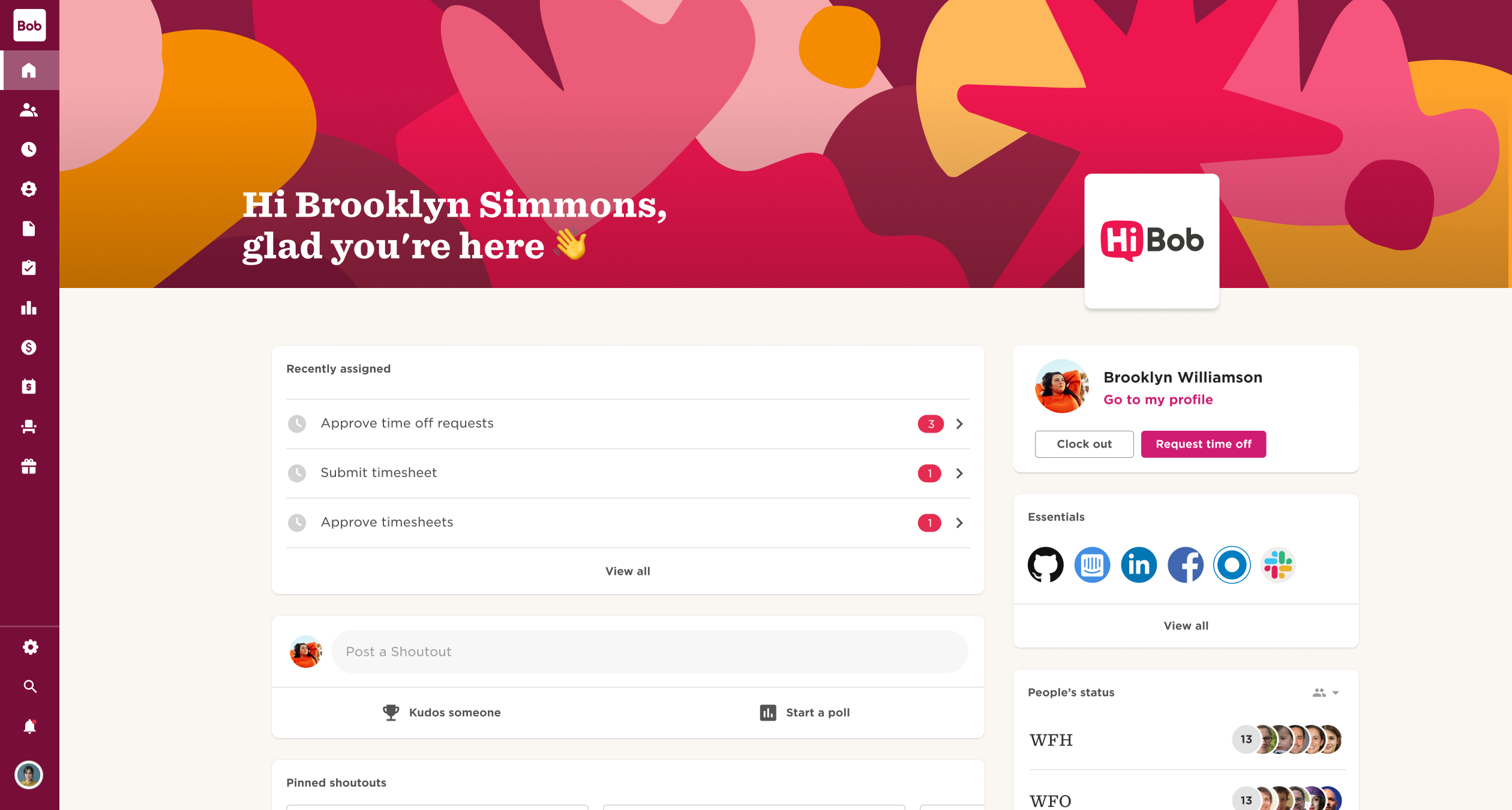
HiBob ist eine moderne HRIS-Plattform für mittelständische, oft global verteilte Unternehmen. Sie deckt Kern-HR, Onboarding, Performance Management, Vergütungsplanung, Anwesenheit und Mitarbeiterengagement in einem System ab, mit einer Designphilosophie, die Employee Experience und Unternehmenskultur neben der traditionellen HR-Administration stellt.
Im Vergleich zu anderen All-in-One-Plattformen auf dieser Liste ist HiBobs Oberfläche bewusst sozial gestaltet: Unternehmensneuigkeiten, Anerkennung und kulturelle Touchpoints erscheinen neben den täglichen HR-Aufgaben.
Hauptfunktionen
- Zentrale Mitarbeiterdatenverwaltung mit anpassbaren Feldern, automatisierten Organigrammen und Dokumentenspeicher
- Automatisierte Onboarding-Workflows mit Aufgabensequenzen, Dokumentunterzeichnung, Team-Vorstellungen und abteilungsspezifischen Konfigurationen
- Performance Management mit flexiblen Review-Zyklen, 360°-Feedback, OKR-Tracking und Karriereentwicklungsplanung
- Time Tracking mit konfigurierbaren PTO-Richtlinien, Urlaubsanträgen und Echtzeit-Verfügbarkeitsanzeige für Manager
- Mitarbeiterengagement-Tools inkl. Anerkennungssystemen, Clubs, Pulsbefragungen und sozialen Features für verteilte Teams
- Vergütungsverwaltung mit Gehalts-Reviews, Benchmarking und Bonus-Zyklusplanung
- People Analytics mit anpassbaren Dashboards, Headcount-Prognosen und AI-gestütztem Reporting
- Integrationsökosystem mit 60+ Payroll-, ATS- und Business-Tools
Vorteile
- Benutzerfreundliche Oberfläche, die starke Akzeptanz auf allen Organisationsebenen fördert
- Kulturaufbau-Tools wie Anerkennung, Clubs und Social Feeds, die über das hinausgehen, was viele HRIS-Plattformen bieten
- Starke Unterstützung für Remote- und hybrides Workforce-Management
- Flexible Workflow-Automatisierung für Onboarding, Performance Reviews und routinemäßige HR-Aufgaben
- Robuste Multi-Country-Fähigkeiten mit standortspezifischen Compliance-Einstellungen, Zeitzonen, Sprachen und Feiertagskalendern
- Kontinuierlich weiterentwickelte Plattform mit einer Erfolgsbilanz regelmäßiger Feature-Veröffentlichungen
Einschränkungen
- Reporting-Modul ist weniger umfangreich als einige Enterprise-Alternativen, mit Einschränkungen bei Filter-Optionen und modularen Analytics
- Performance-Management- und OKR-Features können weniger intuitiv wirken als der Rest der Plattform
- Keine native Zwei-Faktor-Authentifizierung, was für Organisationen mit strengen Sicherheitsanforderungen problematisch sein kann
Am besten geeignet für
Schnell wachsende mittelständische Unternehmen, insbesondere in Tech und Kreativwirtschaft, die Employee Experience, Kulturaufbau und Multi-Country-Workforce-Management in den Vordergrund stellen.
Workday
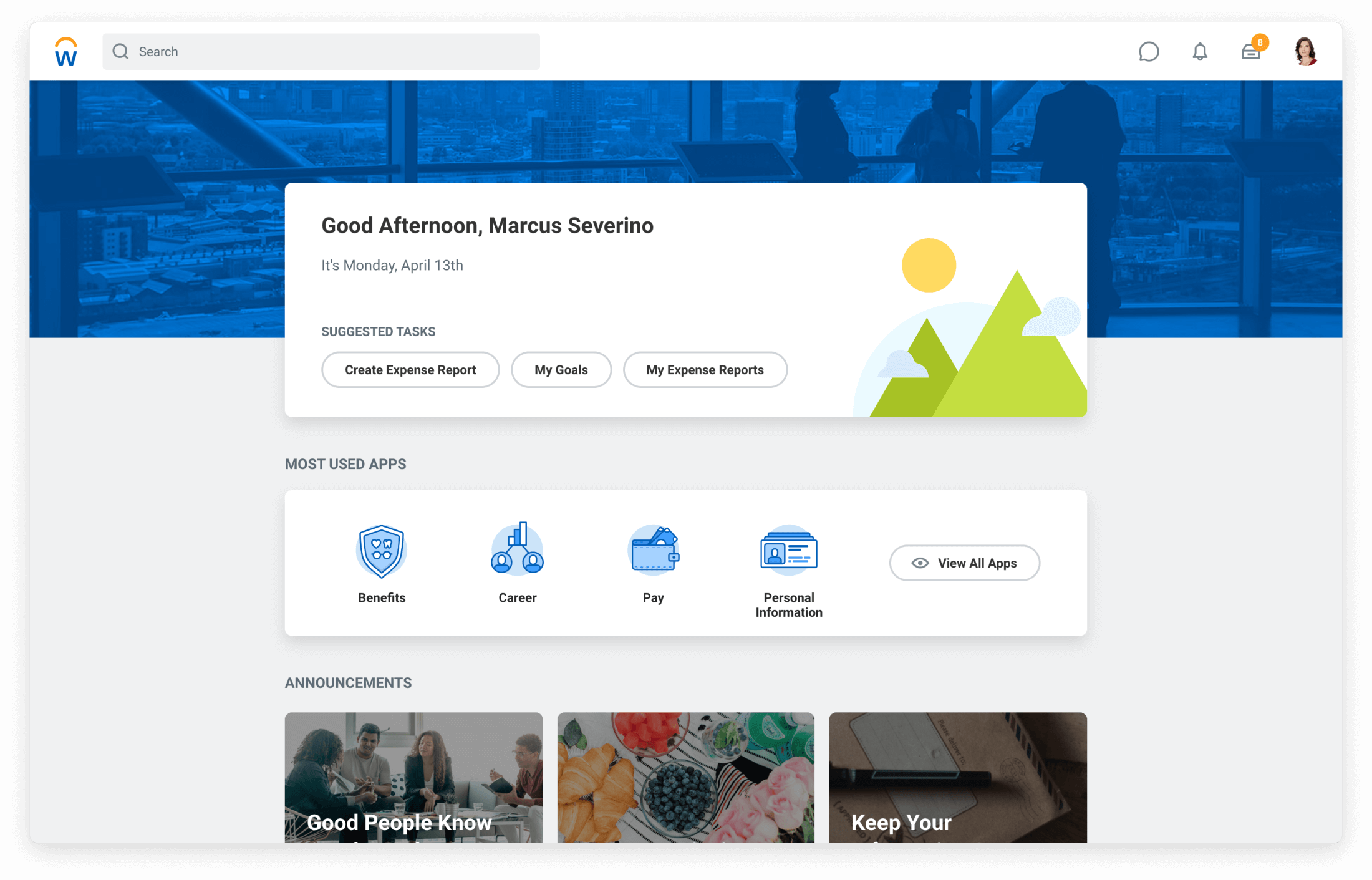
Workday ist eine Enterprise-grade Human Capital Management (HCM) Plattform, die Kern-HR, Payroll, Benefits, Talent Management, Workforce Planning und Finanzen in einem cloud-nativen System abdeckt. Sie wird primär von großen multinationalen Organisationen eingesetzt und ist bekannt für ihre Funktionstiefe, globale Compliance-Fähigkeiten und erweiterte Analytics.
Der Preis für diese Tiefe ist Komplexität. Workday-Implementierungen sind ressourcenintensiv, erfordern häufig dedizierte Berater und mehrmonatige Zeitpläne, und die Kostenstruktur macht die Plattform für die meisten Unternehmen unterhalb der Enterprise-Schwelle unerreichbar.
Hauptfunktionen
- Kern-HR mit umfassender Mitarbeiterdatenverwaltung, Organisationshierarchie und automatisierter Compliance in globalen Rechtsordnungen
- Lohnabrechnung mit automatischen Steuermeldungen, rechtsordnungsspezifischen Lohn- und Überstundenregeln und Integration mit Finanzsystemen
- Talent Management mit Recruiting, Onboarding, Performance Reviews, Nachfolgeplanung und Karriereentwicklung
- Workforce Planning und Headcount Management mit Szenariomodellierung und Echtzeit-Organisationssicht
- Erweiterte People Analytics mit anpassbaren Dashboards, eingebetteten AI-Insights und Workday Skills Cloud
- Benefit-Administration mit Self-Service-Einschreibung, Plantarifen-Vergleichstools und automatisiertem Eligibility Management
- Time Tracking mit Richtlinienautomatisierung, Abwesenheitsverwaltung und mobilem Zugriff
- Finanzintegration, die HR- und Payroll-Daten direkt mit Buchhaltung, Budgetierung und Finanzberichterstattung verbindet
Vorteile
- Cloud-native Architektur mit kontinuierlichen Updates bedeutet keine Versionsmigrations-Zyklen oder On-Premises-Wartung
- Erweiterte Analytics und AI-Fähigkeiten
- Starke globale Compliance-Fähigkeiten in dutzenden Ländern
- Hochgradig konfigurierbar für Enterprise-Anforderungen
- Einzelne Plattform für HR und Finanzen, was für große Organisationen einen bedeutenden operativen Vorteil darstellt
Einschränkungen
- Hohe Implementierungskosten und lange Zeitpläne, oft mit Vollzeit-Beratern und mehreren Monaten bis zur vollen Betriebsfähigkeit
- Steile Lernkurve mit komplexer Oberfläche, die Endnutzende häufig frustriert, insbesondere bei Routineaufgaben
- Kostenstruktur macht die Plattform für die meisten mittelständischen Unternehmen unzugänglich
Am besten geeignet für
Große Unternehmen und multinationale Konzerne mit komplexen HR-Abläufen in mehreren Ländern und Rechtssystemen.
Gusto
.png)
Gusto ist eine payroll-zentrierte HR-Plattform für kleine Unternehmen, die Lohnabrechnung, Benefit-Administration, grundlegendes Onboarding und Time Tracking in einem System abdeckt. Sie unterstützt US-Mitarbeitende und Auftragnehmer mit begrenztem internationalem Payroll in ausgewählten Ländern inkl. Kanada, UK, Indien und Australien.
Gustos Payroll-Engine ist die klare Stärke. Sie automatisiert Bundes-, Landes- und lokale Steuermeldungen, bearbeitet W-2s und 1099s und integriert sich direkt mit Buchhaltungstools wie QuickBooks und Xero. Jenseits von Payroll sind die HR-Fähigkeiten im Vergleich zu dedizierten People-Plattformen relativ grundlegend.
Hauptfunktionen
- Automatisierte Lohnabrechnung für US-Mitarbeitende und Auftragnehmer mit unbegrenzten Abrechnungsläufen, Steuermeldungen und Direktzahlungen
- Benefit-Administration für Krankenversicherung, Altersvorsorgepläne und Betriebsunfallversicherung, mit Gusto als Benefits-Broker
- Grundlegendes Onboarding mit digitalen Angebotsschreiben, E-Signaturen, W-4- und I-9-Ausfertigung und Meldungen für neue Mitarbeitende
- Time Tracking und PTO-Verwaltung auf höheren Tarifen mit direkter Integration in die Lohnberechnung
- Self-Service-Portal für Lohnzettel, Steuerformulare, Benefit-Informationen und persönliche Daten
- AI-Assistent, der HR-Fragen beantwortet, Berichte erstellt und grundlegende Aufgaben wie die Genehmigung von Urlaub erledigt
- Internationaler Payroll in einer begrenzten Anzahl von Ländern über Gusto Global
- Compliance-Benachrichtigungen bei Änderungen der Arbeitsgesetze auf Bundes- oder Staatsebene
Vorteile
- Transparentes, gestuftes Pricing ohne jährliche Vertragsbindung
- Payroll-Automatisierung ist zuverlässig und hoch bewertet
- Schnelle Implementierung, meist in unter einer Woche abschließbar
- Starke Self-Service-Erfahrung für Mitarbeitende
- Intuitive Oberfläche mit minimalem Schulungsaufwand
- Integriert mit einer breiten Palette von Buchhaltungs-, Time-Tracking- und Business-Tools
Einschränkungen
- Performance-Management-Fähigkeiten sind deutlich schwächer als bei dedizierten People-Plattformen
- Internationaler Payroll-Abdeckungsumfang ist eng im Vergleich zu global-first Plattformen
- Kosten können schnell steigen, wenn mehrere Add-on-Features kombiniert werden
Am besten geeignet für
Kleine Unternehmen und frühphasige Unternehmen unter 150 Mitarbeitenden, die zuverlässige, unkomplizierte Lohnabrechnung und grundlegende HR-Administration benötigen.
Deel
Deel ist eine globale HR- und Payroll-Plattform, die speziell für Unternehmen entwickelt wurde, die über Grenzen hinweg einstellen. Sie deckt Employer of Record (EOR) Services, Auftragnehmer-Management, globalen Payroll und Compliance in über 150 Ländern ab. Deels klarster Differenziator ist Compliance-Automatisierung: Die Plattform überwacht regulatorische Änderungen kontinuierlich, aktualisiert Vertragsvorlagen automatisch und signalisiert potenzielle Probleme, bevor sie entstehen.
Hauptfunktionen
- EOR-Services, die es Unternehmen ermöglichen, Vollzeitkräfte in 150+ Ländern einzustellen, ohne lokale juristische Personen zu gründen
- Globaler Payroll mit Multi-Währungsunterstützung, automatisierter lokaler Steuerbearbeitung und Off-Cycle-Zahlungsfähigkeiten
- Auftragnehmer-Management mit lokalisierten Vertragsgenerierung, automatisierten Compliance-Prüfungen und flexiblen Zahlungsoptionen inkl. Kryptowährungen
- Integriertes HRIS mit Mitarbeiterprofilen, Onboarding-Workflows, Dokumentenverwaltung und Urlaubsverfolgung, kostenlos verfügbar
- Compliance-Automatisierung, die regulatorische Änderungen in allen Betriebsländern kontinuierlich überwacht
- Benefit-Administration mit lokal relevanten Paketen inkl. Krankenversicherung, Altersvorsorgepläne und Pflichtleistungen je Rechtsordnung
- Integration mit wichtigen HR-, Buchhaltungs- und Identity-Management-Tools
Vorteile
- Konforme Einstellungs- und Payroll-Abläufe in 150+ Ländern
- Compliance-Automatisierung reduziert das Prüfungsrisiko erheblich
- Konsolidiert Auftragnehmer und Festangestellte in einer einzigen Plattform
- Schnelles internationales Onboarding, oft in Tagen statt Wochen
- HRIS-Schicht bietet einen bedeutenden Mehrwert ohne zusätzliche Kosten
- Starkes Integrationsökosystem
Einschränkungen
- Pricing ist deutlich höher als bei Nur-Inland-Alternativen, insbesondere wenn in mehr Länder skaliert wird
- Performance Management, Lernen und Engagement-Features sind weniger ausgereift als bei dedizierten People-Plattformen
- Komplexe Einrichtung für fortgeschrittene Anwendungsfälle erfordert oft Unterstützung von Deels Team
Am besten geeignet für
Unternehmen mit erheblichem internationalen Einstellungsbedarf, verteilten Auftragnehmern oder grenzüberschreitender Compliance-Komplexität.
Personio
.png)
Personio ist eine europäische HRIS-Plattform für Kern-HR, Recruiting, Payroll, Anwesenheit, Performance Management und Workflow-Automatisierung in einem System. Sie richtet sich primär an Unternehmen mit 10 bis 2.000 Mitarbeitenden in Europa, mit nativem Payroll in Deutschland, dem UK, Österreich und Spanien.
Hauptfunktionen
- Zentrale Mitarbeiterdatenbank mit digitalen Personalakten, Dokumentenverwaltung, E-Signaturen und automatisierten Organigramm-Updates
- Recruiting und Applicant Tracking mit benutzerdefinierten Pipelines, Job-Board-Multiposting, automatisierter Kandidatenkommunikation und Angebotsschreibensgenerierung
- Lohnabrechnung mit lokalisierter Unterstützung für Deutschland, UK, Österreich und Spanien, inkl. automatisierter Datensynchronisierung und Compliance-Management
- Time Tracking mit konfigurierbaren Abwesenheitstypen, Überstunden-Genehmigungsworkflows und Self-Service-Urlaubsanträgen
- Performance Management mit strukturierten Review-Zyklen, Peer-Feedback, Zielsetzung und kontinuierlichem Feedback
- Mitarbeiterengagement-Umfragen mit vorgefertigten Vorlagen, Echtzeit-Ergebnissen und Integration in People-Analytics-Reporting
- People Workflow Automation für Aufgabenrouting, Genehmigungsketten, Compliance-Benachrichtigungen und Onboarding-Checklisten
- AI-gestütztes Conversations-Modul, das häufige HR-Mitarbeiteranfragen automatisch bearbeitet
Vorteile
- Starke europäische Compliance-Fähigkeiten mit DSGVO-first Infrastruktur und EU-Daten-Hosting
- Zentralisiert tägliche HR-Aufgaben in einem übersichtlichen Layout, das HR-Teams und Mitarbeitende leicht navigieren können
- Workflow-Automatisierung reduziert manuelles Follow-up bei Routine-HR-Prozessen
- Breiter Integrationsmarktplatz mit 150+ Verbindungen
Einschränkungen
- Nativer Payroll auf Deutschland, UK, Österreich und Spanien beschränkt, was die Plattform für Unternehmen mit Payroll-Bedarf in anderen Märkten weniger praktisch macht
- Reporting- und Analytics-Fähigkeiten werden häufig als verbesserungswürdig zitiert
- Performance-Management-Workflows können für Teams, die leichte oder Ad-hoc-Feedback-Prozesse bevorzugen, starr wirken
Am besten geeignet für
Europäische KMUs und mittelständische Unternehmen, insbesondere solche in Deutschland, UK, Österreich oder Spanien, die ein strukturiertes, compliance-bereites HRIS benötigen.
Lattice
.png)
Lattice ist eine Performance-Management- und Mitarbeiterengagement-Plattform, der über 5.000 Organisationen weltweit vertrauen. Sie kombiniert Performance Reviews, OKRs und Zielverfolgung, kontinuierliches Feedback, Vergütungsverwaltung und Mitarbeiterengagement-Umfragen in einem System. Im November 2025 kündigte Lattice an, seine HRIS- und Payroll-Produkte bis Juli 2026 einzustellen und sich ausschließlich auf Talent Management und Performance zu konzentrieren.
Hauptfunktionen
- Anpassbare Performance-Review-Zyklen mit jährlichen, quartalsweise, projektbasierten und automatisierten Review-Kadenzen mit 360°-Feedback und Kalibrierungstools
- OKRs und Zielsetzung mit kaskadierende Zielen, Anpassungsmöglichkeiten mid-cycle und Zielsichtbarkeit direkt in Tools wie Slack, Salesforce und Jira
- Kontinuierliches Feedback- und Anerkennungstools für Echtzeit-Peer- und Manager-Feedback außerhalb formaler Review-Zyklen
- Mitarbeiterengagement-Umfragen mit 90+ Benchmarks, AI-gestützten Sentiment-Insights, eNPS-Tracking und Pulsbefragungen
- Vergütungsverwaltung mit Mercer-Gehaltsbenchmarking-Daten, Vergütungsbändern und integrierter Beförderungszyklus-Planung
- Karriereentwicklungstools inkl. Kompetenzmatrizen, individuelle Entwicklungspläne und visuelle Karrierepfad-Kartierung
- AI-gestützte Kalibrierungszusammenfassungen und Performance-Improvement-Plan-Generierung
Vorteile
- Solide Performance-Review-Tooling mit hochgradig anpassbaren Workflows und AI-gestützter Feedback-Zusammenfassung
- Engagement-Survey-Fähigkeiten gehören zu den tiefsten auf dieser Liste
- Starke Integrationen mit täglich genutzten Tools wie Slack, Microsoft Teams, Salesforce und Jira
- AI-Fähigkeiten über Reviews, Kalibrierung und Vergütungsplanung reduzieren den administrativen Aufwand für HR-Teams erheblich
- Hoch angesehener Kundenservice
Einschränkungen
- Lattice stellt seine HRIS- und Payroll-Produkte bis Juli 2026 ein und kann daher nicht als eigenständige People-Plattform dienen
- Kosten steigen erheblich, wenn Module hinzugefügt werden
- Zielverfolgung und OKR-Navigation kann komplex wirken
Am besten geeignet für
Organisationen, die bereits ein Kern-HRIS haben und Performance Management, Engagement und Vergütungsfähigkeiten hinzufügen möchten.
Worauf ihr bei der Wahl einer All-in-One-HR-Plattform achten solltet
Nicht jede All-in-One-HR-Plattform ist gleich gebaut, und die falsche Wahl zeigt sich langsam: in manuellen Workarounds, Datenduplizierung oder einem System, das eure Manager stillschweigend nicht mehr nutzen. Die fünf folgenden Kriterien helfen euch, Plattformen zu identifizieren, die für eure Arbeitsweise ausgelegt sind, statt euch beim Wachstum einzuschränken.
Unifikation statt Integration
Es gibt einen wichtigen Unterschied zwischen einer Plattform, die ihre Module vereint, und einer, die sie integriert. Ein vereinheitlichtes System teilt eine einzige Datenschicht über HR-Betrieb, Performance, Engagement und Lernen hinweg. Ein integriertes System verknüpft separate Produkte, die unabhängig entwickelt wurden, oft mit unterschiedlichen Datenmodellen und Aktualisierungsfrequenzen.
Dieser Unterschied ist wichtiger als die meisten Käufer erkennen. Laut Gartner berichten 55% der HR-Verantwortlichen, dass ihre HR-Technologie ihre aktuellen und künftigen Geschäftsanforderungen nicht erfüllt, ein Problem, das auf fragmentierten Systemen basiert, die keinen Kontext über Workflows hinweg teilen können. Echte Unifikation, inkl. modularer People Analytics, schließt diese Lücke.
(💭) „Viele HR-Teams kämpfen noch immer mit den Grundlagen: zu viele voneinander getrennte Tools, begrenzte Insights. Deshalb haben wir ein wirklich people-first HRIS entwickelt, das alle Mitarbeiterdaten in einer einzigen Quelle der Wahrheit vereint.“
Suraj Paneru, Customer Success Coach bei Leapsome
Fokus auf Manager-Enablement und Adoption
Eine HR-Plattform funktioniert nur, wenn eure Mitarbeitenden sie nutzen. Viele HR-Tools sind auf das ausgelegt, was HR-Admins konfigurieren müssen, wobei die Manager- und Mitarbeitererfahrung sekundär behandelt wird. Das Ergebnis sind niedrige Adoptionsraten und Performance-Daten, die Compliance widerspiegeln statt echtem Engagement.
Die besten Plattformen reduzieren den Manager-Aufwand durch intuitives Design, Automatisierung und umsetzbare Nudges, die ihnen helfen, besser zu führen, nicht nur mehr zu administrieren. Sucht nach integrierten Tools für kontinuierliches Feedback, 1:1-Meeting-Unterstützung und Zielsichtbarkeit, die in die bestehende Arbeitsweise von Managern integriert sind.
AI-Fähigkeiten jenseits der Automatisierung
Die meisten Plattformen bieten inzwischen irgendeine Form von AI. Die wichtigere Frage ist, was diese AI tatsächlich tut. Eine Erinnerungs-E-Mail zu automatisieren ist nicht dasselbe wie ein Muster in Engagement-Daten aufzuzeigen, bevor daraus ein Fluktuationsproblem wird.
Laut McKinsey befinden sich 32% der HR-Prozesse noch in Pilotphasen mit generativer AI. Plattformen, die AI in HR als erstklassige Fähigkeit behandeln, die Anomalien erkennt, Maßnahmen empfiehlt und Insights liefert, die Menschen übersehen würden, sind es wert, priorisiert zu werden.
Flexibilität und Konfigurierbarkeit für künftiges Wachstum
Starre Plattformen, die vorgegebene Workflows erzwingen, sind problemlos, bis sich euer Unternehmen weiterentwickelt. Ein neuer Review-Rahmen, eine Änderung der Vergütungsphilosophie oder ein Wechsel zu quartalsweisen OKRs sollte kein Support-Ticket oder einen Professional-Services-Einsatz erfordern.
Konfigurierbarkeit ist besonders wichtig für Performance Management und Vergütungsplanung, wo Einheitspläne oft nicht widerspiegeln, wie eure Organisation tatsächlich bewertet und belohnt. Die besten Plattformen ermöglichen es euch, Review-Zyklen, Feedback-Strukturen und Genehmigungsworkflows anzupassen, ohne Code anzufassen oder auf euren Anbieter zu warten.
Verbindung von People Operations und People Development
Traditionelle HRIS-Plattformen wurden entwickelt, um Beschäftigung zu verfolgen, nicht Menschen zu entwickeln. Sie bewältigen Datensätze, Payroll und Compliance gut. Aber sie überlassen Performance, Lernen und Mitarbeiterengagement separaten Systemen, was eine fragmentierte Mitarbeitererfahrung schafft und HR daran hindert, ganzheitliche Entscheidungen zu treffen.
Plattformen, die Kern-HR-Daten mit Entwicklungstools verbinden, geben HR-Teams das vollständige Bild. Das ist der Unterschied zwischen der Verwaltung von Headcount und der echten Befähigung eurer Mitarbeitenden zu ihrer besten Arbeit.
Wählt eine All-in-One-HR-Plattform, die mit euren Mitarbeitenden wächst
Die richtige All-in-One-HR-Plattform konsolidiert nicht nur eure Tools. Sie verändert, was möglich ist. Wenn HR-Betrieb und Mitarbeiterentwicklung im selben System leben, erhalten Manager besseren Kontext, Mitarbeitende bekommen konsistentere Erfahrungen, und HR-Teams können endlich Entscheidungen auf Basis eines vollständigen Bildes treffen.
Leapsome wurde genau dafür entwickelt. Es verbindet HRIS, Performance Management, Engagement, Lernen, Vergütung und Zielsetzung in einer konfigurierbaren Plattform, damit eure People-Daten zusammenarbeiten statt in Silos zu sitzen. Wenn People Enablement das Ziel ist, lohnt es sich zu sehen, wie ein wirklich vernetztes System in der Praxis aussieht.
🚀 Bereit, euren fragmentierten HR-Stack abzulösen?
Seht, wie Leapsome People Operations und People Development in einem einzigen, flexiblen System verbindet.
👉 Demo buchen
Häufige Fragen zur All-in-One-HR-Plattform
Was ist eine All-in-One-HR-Plattform?
Eine All-in-One-HR-Plattform ist Software, die HRIS-Kernfunktionen, wie Mitarbeiterdaten, Onboarding, Time Tracking und Payroll, mit People-Development-Tools kombiniert. Der entscheidende Unterschied zu Einzellösungen: Die Daten werden über Module hinweg geteilt statt in Silos zu verbleiben, was bedeutet, dass HR-Teams, Manager und Mitarbeitende alle aus derselben Informationsquelle arbeiten, ohne manuelle Exporte oder Integrationen zu pflegen.
Welche Funktionen sollte eine All-in-One-HR-Plattform enthalten?
Mindestens sollte eine umfassende Plattform Mitarbeiterdatenverwaltung, automatisiertes Onboarding, Time Tracking, Performance Reviews, kontinuierliches Feedback, Engagement-Umfragen, Lernmanagement, Ziele und OKRs, Vergütungsplanung und People Analytics abdecken. Das entscheidende Wort ist „vereinheitlicht“. Viele Anbieter bieten all diese Features an, liefern sie aber als lose verbundene Produkte statt als echtes integriertes System. Features, die Daten teilen und Workflows über Module hinweg auslösen, sind deutlich wertvoller als dieselben Features, die in Isolation arbeiten.
Was kosten All-in-One-HR-Plattformen?
Das Pricing variiert erheblich je nach Unternehmensgröße, benötigten Modulen und Preisstruktur des Anbieters. Die meisten Mittelklasse-Plattformen liegen irgendwo im Bereich von 8 bis 15 USD pro Nutzer pro Monat. Denkt daran, die Gesamtbetriebskosten einzubeziehen, inkl. Implementierung, Schulung und Add-on-Module, statt nur Basispreise zu vergleichen.
Profitieren kleine Unternehmen von All-in-One-HR-Plattformen?
Ja, besonders wenn die Plattform mit Wachstum im Sinn gewählt wird. Das größte Risiko für kleine Unternehmen ist die Wahl eines leichten Tools, das bei 30 Mitarbeitenden gut funktioniert, bei 100 aber ausgetauscht werden muss. Ein Wechsel des HR-Systems ist teuer und störend. Deshalb lohnt es sich, eine Plattform zu wählen, die mit eurer Organisation skaliert, auch wenn ihr noch nicht alle Funktionen nutzt.
Wie lange dauert die Implementierung einer All-in-One-HR-Plattform?
Die meisten Mittelklasse-Plattformen benötigen vier bis acht Wochen für eine vollständige Implementierung, inkl. Datenmigration, Konfiguration und Team-Schulung. Die Faktoren, die den Zeitplan am stärksten beeinflussen, sind die Qualität eurer bestehenden Daten, der Anpassungsgrad und die Größe eurer Organisation. Anbieter mit dediziertem Implementierungssupport arbeiten in der Regel erheblich schneller.
Leapsome Team





.jpg)