HR Operations, die Ergebnisse liefern und Wachstum tragen


HR Operations umfasst alles, was ihr tut, damit People-Prozesse über den gesamten Employee Lifecycle hinweg reibungslos laufen. Wahrscheinlich habt ihr schon solide Systeme im Einsatz. Wenn euer Unternehmen aber in eine Wachstumsphase geht, brechen einmal funktionierende HR-Systeme schnell zusammen.
43% der Organisationen nutzen heute AI, um HR-Aufgaben zu vereinfachen und zu beschleunigen.* Trotz aller Fortschritte in der HR-Tech verschwenden viele kleine und mittelständische Unternehmen weiterhin Stunden mit manuellen Workflows und uneinheitlichen Prozessen. Das drängt euer HR-Team in reaktive Arbeit: Zeit fließt in Fehlerkorrektur statt in Verbesserung, Reportings werden unzuverlässig und Inkonsistenzen wirken sich auf die Employee Experience aus.
In diesem Artikel zeigen wir euch Schritt für Schritt, wie ihr hocheffiziente HR Operations aufbaut. Außerdem teilen wir ein strategisches Implementierungs-Framework und schauen, wie moderne Technologie euer Team beim Skalieren unterstützt.
*SHRM, 2025
Was sind HR Operations?
„HR hat Operations und Taktik, klar. Aber diese Taktiken müssen an das übergeordnete Ziel anknüpfen. Genau das macht People Strategy zur Business Strategy.“
Luck Dookchitra, ehemals VP of People & Culture bei Leapsome
Human Resource Operations, kurz HR Ops, ist die Abteilung, die die täglichen Aufgaben im Employee Lifecycle steuert. Egal ob als einzelne Person oder als ganzes Team: HR Operations sorgt dafür, dass Prozesse wie Onboarding, Payroll, Compliance und Reporting konsistent und effektiv laufen. Anders gesagt: Operations ist die Umsetzungsebene von HR. Sie übersetzt Strategien in verlässliche Systeme und rollt sie im Unternehmen aus.
Was macht HR Operations konkret?
Ohne klare Verantwortlichkeiten und Rollen wird euer Team schnell zur Prozesspolizei, statt eine zentrale Rolle im Unternehmenswachstum zu spielen. Hier ist, was HR Operations typischerweise abdeckt und warum:
- Employee Lifecycle: HR Operations besitzt die Logistik des Employee Lifecycles, von wiederholbaren Onboarding-Prozessen bis zu strukturierten Offboarding-Workflows. Das Ziel: eine verlässliche Employee Experience, die Produktivität schützt und Retention stärkt, ohne dass administrative Schritte verloren gehen.
- Compliance: Euer Unternehmen muss mit allen relevanten lokalen, regionalen und bundesweiten Arbeitsgesetzen im Einklang sein. HR Operations beobachtet regulatorische Änderungen aktiv, pflegt korrekte Mitarbeiterprofile und führt regelmäßige Audits durch.
- HR-Prozesse: Das Design und die Dokumentation der zentralen HR-Prozesse landen meist bei HR Ops. Ziel ist es, Reibung zu reduzieren, redundante Admin-Schritte zu eliminieren und klare Freigabewege zu schaffen.
- Payroll und Benefits: HR Operations stimmt sich mit dem Finanzteam ab, damit jeder Payroll-Lauf korrekt und pünktlich ist. Dazu gehören die Verwaltung von Benefits-Anmeldungen, die Vermeidung teurer Fehler und der Erhalt des Vertrauens der Mitarbeitenden.
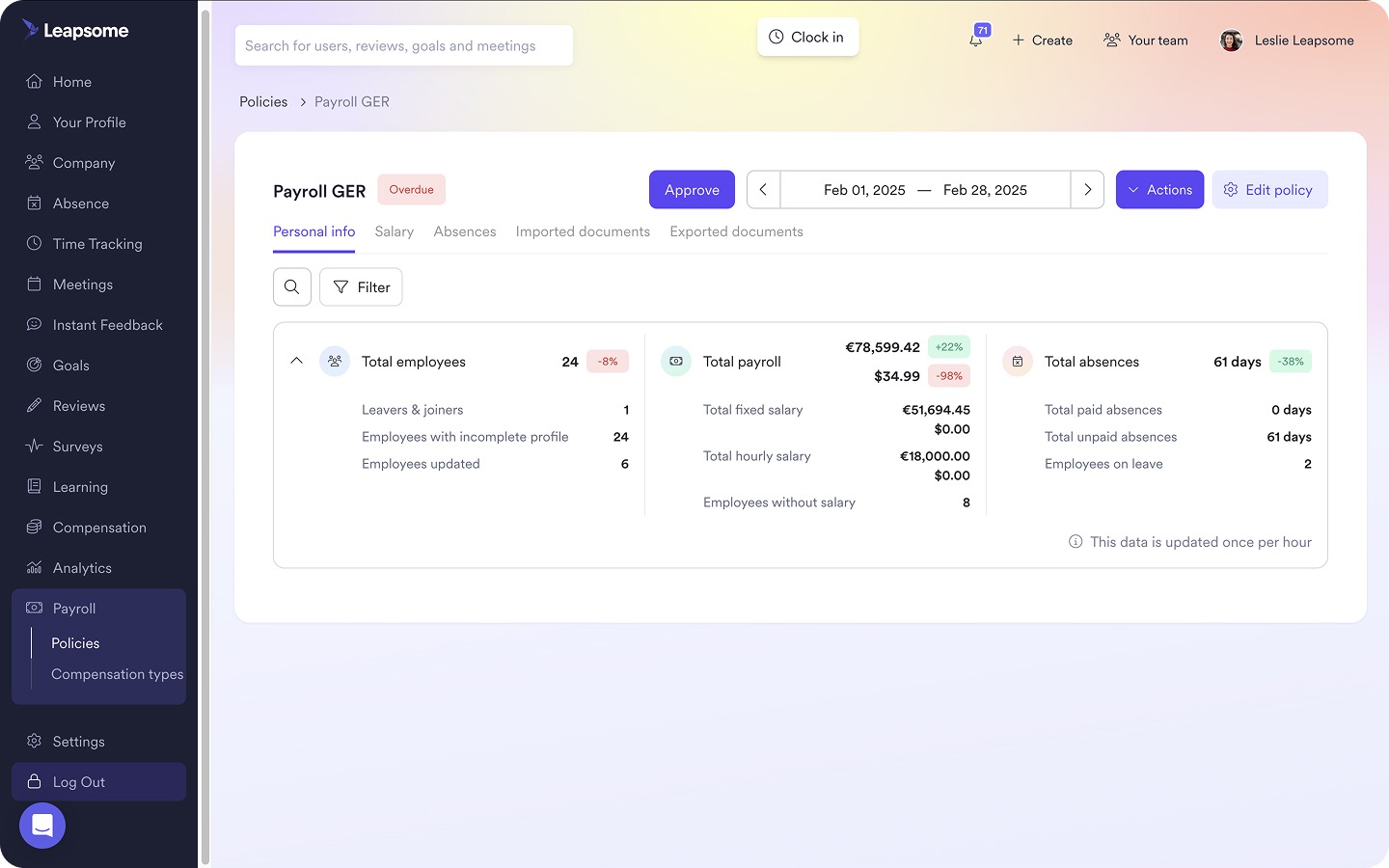
💸 Schluss mit Payroll aus zusammenhanglosen Spreadsheets
Die automatisierte Payroll Prep von Leapsome synchronisiert Änderungen wie Vergütungsanpassungen und Mitarbeiterprofile automatisch.
👉 Payroll Prep entdecken
Und wer macht diese wichtige Arbeit?
Für diese Aufgaben besetzen Unternehmen häufig folgende Rollen:
- HR Operations Manager*in: Verantwortet HR Ops als Ganzes, richtet Systeme an der Unternehmensstrategie aus und managt den Tech-Stack.
- HR Operations Specialist: Setzt einzelne Workflows im Tagesgeschäft um, etwa System-Updates oder Antworten auf Anfragen von Mitarbeitenden.
- HR Operations Analyst: Fokussiert sich auf HR-Reporting und macht aus rohen Workforce-Daten umsetzbare Insights für die Führung.
Die Herausforderungen für HR-Ops-Teams
Es ist selten, dass HR-Operations-Manager*innen brandneue Systeme von null aufbauen. Meist besteht die Arbeit darin, bestehende Prozesse zu sichten und Verbesserungen einzuziehen, die halten, ohne das ganze Schiff zu kentern.
Hier ein paar typische Themen, mit denen euer HR-Operations-Team konfrontiert ist.
Fehlende, unvollständige oder schwache Dokumentation
Wenn Prozesse nur in den Köpfen einzelner HR-Mitglieder existieren, steht die Effizienz still, sobald jemand in Urlaub geht oder das Unternehmen verlässt. Zwar betreiben 73% der Organisationen operative Workforce-Planung. Diese Planung verpufft aber oft, wenn sie nicht in konkrete, leicht zugängliche Ressourcen übersetzt wird.
Zeit verloren an manuelle Routineaufgaben
Manuelle Arbeit füllt die Lücken, wenn Prozesse unklar sind oder Systeme nicht zusammenspielen. HR-Teams aktualisieren mehrere Systeme parallel, jagen Freigaben über E-Mail oder Chat hinterher und gleichen Daten kurz vor dem nächsten Reporting- oder Payroll-Deadline ab. Mit der Zeit werden diese manuellen Aufgaben zur Norm, obwohl sie die Umsetzung verlangsamen und Fehler vermehren.
Daten überall verstreut
„Die Metriken, die die Führung verfolgt, sollten mit dem zusammenpassen, was HR liefert. Daten und Stimmung müssen zusammenarbeiten, um den vollen Impact zu zeigen.“
Luck Dookchitra, ehemals VP People & Culture bei Leapsome
Mitarbeiterdaten liegen oft in mehreren Systemen: im HRIS, in der Payroll-Plattform, in den Performance-Tools und sogar in chaotischen Spreadsheets. Diese Fragmentierung untergräbt das Vertrauen in die Daten. Euer HR-Team verbringt am Ende mehr Zeit damit, Informationen zu validieren, als sie tatsächlich zu nutzen.
So baut oder stärkt ihr eure HR Operations: fünf Schritte
Wenn Reportings länger dauern als geplant oder einfache Updates mehrere Schritte in unterschiedlichen Tools brauchen, fehlt euren HR Operations Struktur. Organisationen mit reifen HR-Prozessen, die über die Basics hinausgehen und auf Outcomes und eine starke Belegschaft fokussieren, erleben deutlich häufiger Umsatzwachstum.
Klar definierte HR Ops helfen euch zu skalieren und Effizienz hoch zu halten, ohne unnötige Komplexität aufzubauen. So geht ihr den Prozess an.
1. Erkennt eure aktuellen Herausforderungen
Macht einen gründlichen Review aller HR-Systeme und Dokumente: Onboarding, Offboarding, Abwesenheits-Tracking, Reporting-Anfragen und so weiter. Identifiziert Reibungspunkte und sucht nach Mustern, die Probleme erzeugen. Haltet diesen Schritt (und die folgenden) bei Bedarf überschaubar, indem ihr euch jeweils auf einen Bereich konzentriert.
2. Priorisiert die Systeme im schlechtesten Zustand
Ihr könnt nicht alles auf einmal lösen, selbst wenn ihr nur Payroll anschaut. Priorisiert eure To-do-Liste. Fokussiert euch auf die Prozesse, die am häufigsten, zeitintensivsten, sichtbarsten für Mitarbeitende oder am sensibelsten beim Skalieren sind. Kleinere Themen mit weniger Impact warten auf den Regentag.
3. Macht Rollen und Verantwortlichkeiten glasklar
Sobald ihr einen Prozess mit hoher Reibung identifiziert habt, definiert klare Ownership. Rollenklarheit verbessert Motivation und Leistung. Klärt also, wer für welchen Schritt verantwortlich ist: euer HR-Kernteam, HR Ops, People Manager oder die Mitarbeitenden selbst.
4. Konsistenz, Konsistenz, Konsistenz
Ihr werdet mit hoher Wahrscheinlichkeit auf Inkonsistenzen stoßen: Dokumente, die sich widersprechen, und Workflows, die leicht abweichende Versionen derselben Aufgabe enthalten. Inkonsistente Prozesse kosten nicht nur Zeit, sie senden negative Signale an Mitarbeitende, die Vertrauen und Produktivität untergraben.
Selbst bei Workflows, die ihr nicht ändert: Stellt sicher, dass jede Ressource die idealen Schritte abbildet und bei den kleinsten Details (Entscheidungspunkte, Zeitpläne, Ownership) übereinstimmt.
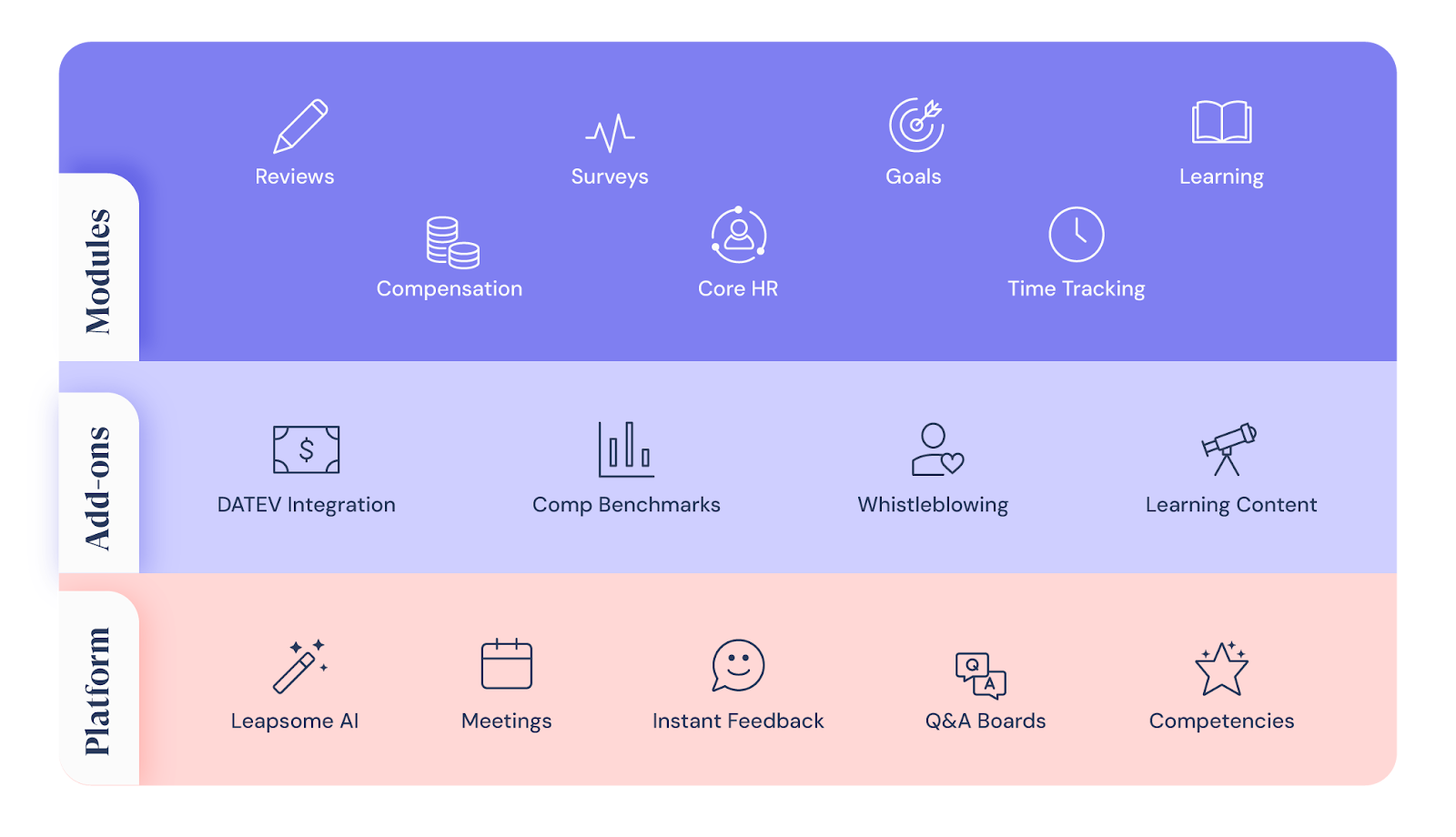
📝 Baut Systeme, die ohne manuelles Nachfassen funktionieren
Mit Leapsome Workflows entwerft und automatisiert ihr individuelle HR-Prozesse, die auf zentralen Mitarbeiterdaten basieren und Policies sowie Freigaben einbinden.
👉 Mehr über Leapsome Workflows erfahren
5. Schreibt alles auf
Sobald ein Prozess definiert ist, dokumentiert ihn in einem zentralen digitalen Operations-Hub. Alle Freigabewege, Rollenbeschreibungen, Prozess-Maps und Policies gehören an einen Ort und müssen für alle zugänglich sein, die diese Informationen brauchen.
Wie AI moderne HR Operations verändert
„Startet beim Employee Lifecycle. Mappt die Momente, die zählen, und prüft für jeden das passende Tooling. Wenn eure Systeme sich nicht integrieren lassen, geht All-in-One. Wenn sie es können, sorgt einfach für reibungslose Übergänge.“
Lee Bage, Global VP of Operations bei Valtech
AI und andere technologische Entwicklungen haben HR Operations transformiert. Moderne AI-Tools automatisieren Routine-Aufgaben und liefern prädiktive Insights, die HR Ops zu besseren Entscheidungen verhelfen.
Viele Organisationen verlassen sich aber weiterhin auf unverbundene Tools, die jeweils nur einen kleinen Teil der HR-Prozesse abdecken, oder auf AI-Lösungen, die ihr manuell mit Kontext füttern müsst. Beide Ansätze bremsen euer Team aus und limitieren den Nutzen, den ihr selbst aus der besten AI ziehen könnt.
Tech wird kraftvoller und nützlicher, wenn alle HR-Daten in einem System zentralisiert sind, das gleichzeitig AI-gestützte Insights generiert. Unified-Plattformen mit eingebauten AI-Agents machen es HR Operations deutlich einfacher, wiederkehrende Aufgaben zu automatisieren, Engagement-Daten zu analysieren, personalisierte Kommunikation zu entwerfen und schrittweise zu verbessern. Alles, ohne den menschlichen Faktor zu verlieren.
Stärkt eure HR Operations mit Leapsome
Wachsende Unternehmen brauchen keine komplexen, aufgeblähten Systeme, die schick aussehen, aber die Arbeit ausbremsen. Sie brauchen klare, geradlinige Prozesse, die auf verlässlichen People-Daten und sorgfältig gebauten Automatisierungen aufbauen.
Leapsome hilft HR-Teams, manuelle Workflows und fragmentierte Tools durch eine Plattform zu ersetzen, die HRIS, Performance Reviews, Engagement und Entwicklung abdeckt. Durch die Automatisierung zentraler Prozesse wie Recruiting und Onboarding und durch umsetzbare People Insights gibt Leapsome HR Operations die Struktur, um effizient zu planen und zu skalieren.
„Leapsome hat einen wirklich großartigen Job bei Performance, OKR und Feedback-Management gemacht. Alles auf einer Plattform.“ Zhen Wang, People Servicer, Jina AI
🔄 Baut HR Operations, die mit eurer Organisation skalieren
Leapsome verbindet eure HR-Prozesse, Daten und Insights, damit euer Ops-Team Kernaufgaben konsistent erledigt und sich danach auf Performance konzentriert.
👉 Demo anfragen
FAQ
Was macht ein*e HR and Operations Manager*in?
Ein*e HR and Operations Manager*in sorgt dafür, dass HR-Prozesse über die gesamte Organisation hinweg reibungslos und konsistent laufen. Dazu gehören das Definieren und Pflegen von Workflows, das Steuern von Systemen, das Management von Mitarbeiterdaten und die Koordination von Onboarding, Payroll und Compliance.
Wie verbindet HR Operations Employee Relations, Recruiting, Payroll und andere wichtige Funktionen?
HR Operations verbindet Funktionen wie Recruiting und Performance Management über gemeinsame Prozesse und Systeme. Statt jede Funktion separat laufen zu lassen, hält HR Ops Informationen über den gesamten Employee Lifecycle hinweg im Fluss. So duplizieren Teams keine Arbeit und treffen keine Entscheidungen auf Basis fragmentierter Daten.